
End of Lease Carpet Cleaning Brisbane: Tenant and Property Manager Guide
A practical end of lease carpet cleaning guide for Brisbane tenants, landlords and property managers covering timing, access, documentation and inspection-ready presentation.
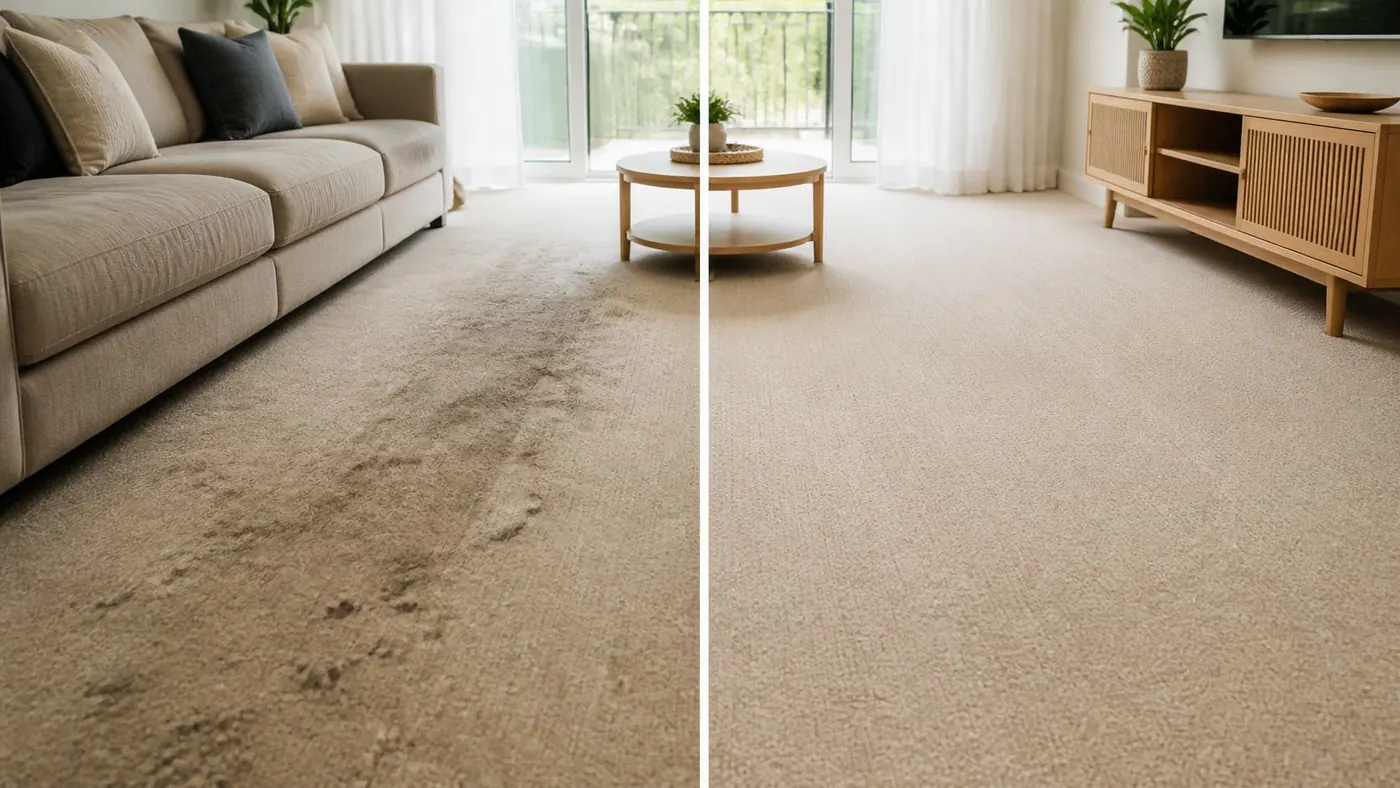
What end of lease carpet cleaning in brisbane really means
End of Lease Carpet Cleaning in Brisbane is not just a quick pass over the visible marks. In a lived-in home, rental carpets in bedrooms, stairs, hallways and living rooms collects dry soil, skin oils, fine dust, drink spills, pet dander, cooking residue and moisture from daily life. You may notice the change first in walkways, lounge seats, bedroom edges or the spot where the family pet likes to rest. Professional end of lease carpet cleaning starts by looking at how the surface is used, what fibres are present and which areas need the most careful attention.
The aim is to remove as much soil as safely possible while protecting the material. That matters because aggressive scrubbing, too much water or the wrong chemical can cause more harm than the original mark. A cleaner should be able to explain what is likely to improve, what may be permanent and how drying will be managed. This is especially important in humid Queensland weather, where good airflow and controlled moisture make a real difference after the job.
For households in Brisbane, Logan, Ipswich, Redlands, Moreton Bay, Clayfield, Chermside, Springfield, Forest Lake, Redcliffe, North Lakes and nearby South East Queensland suburbs, the best results usually come from a mix of assessment, pre-treatment, controlled extraction and simple aftercare. That sounds technical, but the practical outcome is straightforward: a cleaner surface, less stale odour, better presentation and a home that feels easier to live in. It is also a useful reset before guests arrive, before a rental inspection or after a busy season of children, pets and visitors moving through the house.
What a professional checks before cleaning
A good clean begins with inspection. The technician should look for fibre type, backing condition, colour stability, wear, existing damage, staining, odour and access. With rental carpets in bedrooms, stairs, hallways and living rooms, the wrong assumption can lead to avoidable problems. Wool, synthetic fibres, viscose blends, delicate upholstery and older carpets all behave differently. Even two rooms in the same house can respond differently if one has heavy sun exposure or years of traffic lane wear.
Inspection also gives the customer a clearer idea of what is realistic. A brown water mark may be different from tannin, rust, makeup, cordial, urine, oil or dye transfer. Some stains sit on the fibre, while others chemically change the colour. Professional end of lease carpet cleaning is strongest when the cleaner can say, before starting, which marks are likely to lift well and which may only improve. That honesty protects trust and avoids the old promise of magic stain removal that no responsible operator should make.
Access is part of the check too. Stairs, apartments, townhouses, unit blocks, office buildings and narrow parking can affect timing. In places like Brisbane CBD, Chermside, Springfield, Redcliffe and North Lakes, the practical details often decide whether the appointment feels easy. A clear parking spot, open entry path and notes about lifts or pets help the technician spend time cleaning rather than solving avoidable access problems at the door.
Inspection-focused hot water extraction: the method in plain English
Inspection-focused hot water extraction is commonly used because it combines cleaning solution, agitation where suitable, hot water and extraction. The process loosens soil from the fibre and removes it with the machine rather than leaving a sticky residue behind. It is often called steam cleaning, although the useful work is done by controlled hot water extraction, chemistry and vacuum recovery. The goal is not to soak the surface; it is to rinse and recover soil efficiently.
Pre-treatment matters because not every mark responds to water alone. Greasy arm rests, dark carpet walkways, coffee spots, food spills and pet areas often need targeted treatment before extraction. The dwell time, product strength and agitation should match the material. This is where professional judgement is important. More chemical is not automatically better, and heavy scrubbing is not automatically more thorough. The safest clean is usually the one that uses the right product, the right amount of moisture and the right technique for the fibre.
Drying is part of the method, not an afterthought. After end of lease carpet cleaning, windows, fans, air conditioning and open internal doors can help moisture leave the room. Walking lightly on cleaned carpet with clean feet or socks is usually fine once the technician has advised you, but heavy use should wait until the fibres are properly dry. On upholstery and mattresses, airflow is even more important because cushions and padded surfaces can hold moisture longer than flat carpet.
Common problems and what actually helps
last-minute booking pressure, old stains, pet odour, slow drying and access issues is one of the main reasons people call a professional instead of hiring a machine. The difficult part is that a stain's age, fibre type and previous treatments all affect the result. A fresh coffee spill is different from a six-month-old coffee stain that has been rubbed with dishwashing liquid. Pet odour in the top fibres is different from urine that has reached underlay, backing or foam. A good cleaner treats the source as much as the visible mark.
The best home response is usually simple: blot, do not rub; avoid bleach; avoid strong supermarket stain removers unless the care label supports them; and keep the area ventilated. Rubbing can distort fibres and spread a mark wider. Over-wetting can push contamination deeper. Perfumed sprays can mask odour while leaving residues behind. If the mark matters, take a photo, make a note of what caused it and include that information with the booking request.
Professional treatment can often improve stains, odour and hygiene, but permanent marks are possible. Dye loss, sun fading, chemical burns, rust, paint, old urine, ink and colour bleed all need careful assessment. The honest measure of a quality service is not whether every mark vanishes; it is whether the technician chooses a safe process, explains the likely result and avoids making the material worse in pursuit of an unrealistic promise.
How to keep results looking good for longer
Planning the clean after packing and before key return starts before the next appointment. Dry soil is abrasive, so regular vacuuming protects fibres and slows the dull look that appears in traffic areas. Use entry mats, ask family members to remove muddy shoes and deal with spills quickly. For couches and upholstery, vacuum seams and cushion edges where crumbs and hair collect. For rugs, rotate them so one edge is not always taking the same sun or foot traffic.
After cleaning, give the surface time to dry properly. Moving furniture back too early, closing rooms with poor airflow or placing rugs over damp carpet can trap moisture. If the technician leaves small protective tabs under furniture legs, keep them there until the area is dry. In humid weather, fans and air conditioning can be more helpful than simply opening windows. Drying is about air movement, temperature and humidity working together.
A sensible schedule also helps. Busy family carpets may need cleaning every 6 to 12 months. Couches used daily by children or pets may benefit from an annual refresh. Mattresses often sit on a 12 to 24 month cycle unless allergies, pets or spills make earlier cleaning worthwhile. Commercial and rental settings are different because presentation, access and inspection dates often matter as much as the soil level.
Local timing for Brisbane, Logan, Ipswich, Redlands and nearby rental suburbs
Local conditions change the way people should plan end of lease carpet cleaning. Summer storms, open doors, pets, school holidays, rental turnovers and humid afternoons all affect soil and drying. Homes in Brisbane and Redlands may be dealing with coastal humidity, while Ipswich, Logan and Springfield properties often have busy family traffic, pets and dust from new estates or outdoor areas. None of that makes cleaning complicated, but it does make planning useful.
If you are booking for an end of lease, leave time between the clean and the final inspection. If you are booking before guests arrive, aim for a day with enough airflow and access. For offices and commercial spaces, plan around staff movement and let people know when areas can be walked on. For apartments, check parking and lift access before the appointment. These small details help the actual cleaning time stay focused on the result.
The website estimate tool is useful because it lets you combine services in one request. Many homes book carpet, couch, rug or mattress cleaning together so the minimum call-out is used more efficiently. That is especially helpful across suburbs where travel and setup time are a real part of the job. A clear estimate request gives the cleaner enough information to confirm the booking without a long back-and-forth conversation.
When to book and what to ask
Book professional end of lease carpet cleaning when the surface looks dull after vacuuming, smells stale, has visible stains, affects allergies, needs rental presentation or has not been cleaned for a long time. Ask what method will be used, how long drying usually takes, whether stain treatment is included and what preparation is expected. A trustworthy answer should be practical, not dramatic.
Book when the property is mostly empty and before the final inspection window becomes too tight. Use the estimate page to choose the service, add quantities, enter your suburb or address and include notes about stains, pets, access or timing. The request is not an automatic booking; it gives Luitel Cleaning Services the details needed to confirm availability, price and timing properly. That is the simplest way to get useful advice without sending a long email or guessing which service you need.
Need help with this at your property?
Use the estimate page to send your suburb, service type, quantity and any stain or odour notes. Every enquiry stays pending confirmation until pricing, timing and access are checked properly.