
How Often Should You Clean Your Couch?
A practical couch cleaning frequency guide for family lounges, rental properties, pet homes and everyday living rooms.
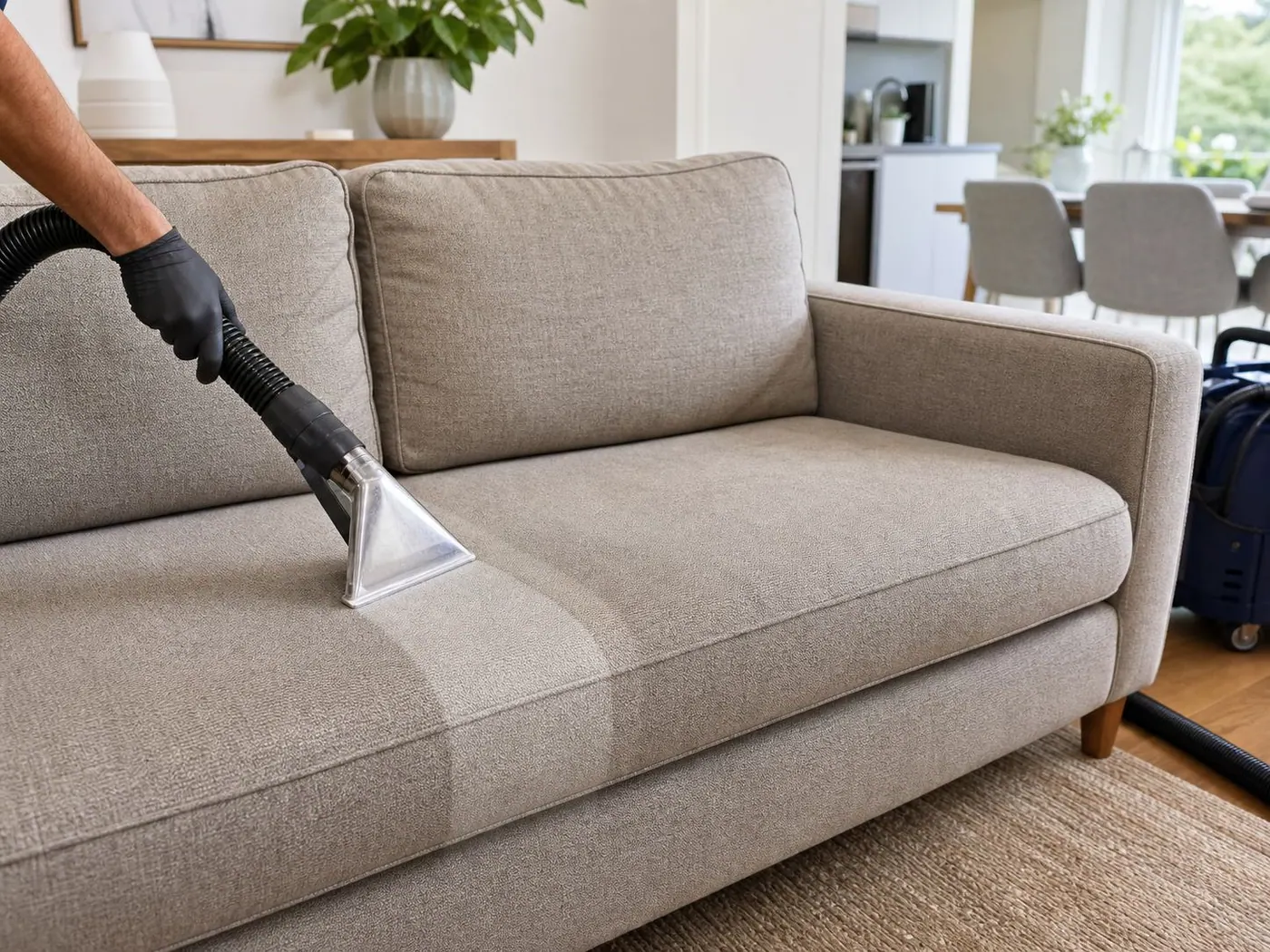
Why this comes up so often
How often should you clean your couch is one of the most common questions from families, pet owners and anyone with a main lounge used every day. Across Brisbane, Logan, Ipswich, Redlands, Moreton Bay, Clayfield, Chermside, Springfield, Forest Lake, Redcliffe, North Lakes and nearby South East Queensland suburbs, people are usually not looking for a complicated theory. They want to know whether the issue is normal, whether they can improve it themselves, and when it makes sense to stop experimenting and get professional help.
The couch may still look acceptable from a distance while slowly building up oils, hair, crumbs, odour and darker contact points on the seats and arms. In real homes, the small details matter: humid weather, open windows, children, pets, rental timing, visitors, or simply one room getting much more use than the others. That is why generic online advice often feels disconnected from how Brisbane, Logan, Ipswich, Redlands and Moreton Bay homes are actually lived in.
A good rule is to stay practical. Most cleaning problems do not need panic, but they do benefit from timely action. The earlier a spill, odour or wear pattern is handled, the easier it is to keep the room looking normal without needing a bigger rescue later.
What usually works better
Start by vacuuming seams, under cushions and along the front edge of the seat cushions where dry soil and crumbs usually collect. That first step matters because it protects the surface from aggressive scrubbing, over-wetting and product residue. Those three mistakes are far more common than people realise, especially when advice from overseas websites gets copied into local forums without any attention to fibre type or drying conditions.
The safer approach is usually the simpler one: remove loose soil, blot rather than rub, keep the area ventilated and avoid loading the surface with too many products. If the mark or smell is still obvious after the basic response, the next move is not to double the chemicals. It is to get the condition assessed properly.
In Brisbane and Logan homes, busy family lounges often need attention before the whole couch looks obviously dirty. Customers tend to get better results when they explain what happened, how old the issue is, whether a pet is involved, and whether they need the work done before guests, a move, or an inspection.
When to get an estimate
The estimate tool is most useful when the problem affects the way the room feels, smells or presents after normal cleaning. That might be a couch that still looks grey after vacuuming, a carpet walkway that stays dark, a mattress with visible marks, or a rug that still smells musty after airing out.
If the arms, head rests or favourite seats are noticeably darker than the rest of the lounge, it is usually time to stop delaying the clean. Add the suburb, the service type, the quantity and any notes about stains, odour, access or timing. That gives Luitel Cleaning Services enough detail to point you toward the right service page, confirm whether multiple items should be cleaned in one visit, and provide a clearer next step without pressure.
If you are not ready to book, the same estimate form still helps because it starts the conversation with useful information. That is much better than a vague enquiry that leaves the important details until the day of the appointment.
Need help with this at your property?
Use the estimate page to send your suburb, service type, quantity and any stain or odour notes. Every enquiry stays pending confirmation until pricing, timing and access are checked properly.